Category Archives: Demographics

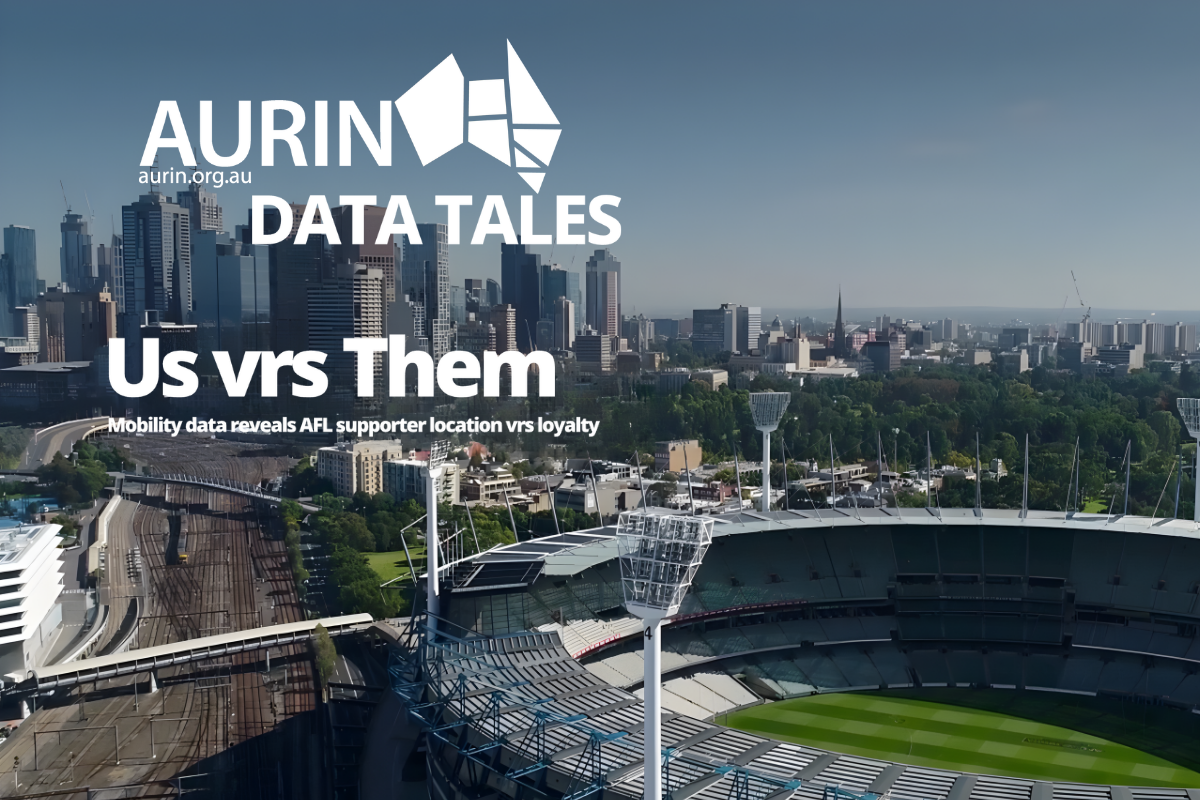
AURIN Data Tales: Us Vrs Them – DSpark Mobility Data Reveals AFL Supporter Location vrs Loyalty

Us versus Them is an interactive AURIN Data Tale exploring how anonymised human mobility data can be used to map the geographic distribution of supporters of Melbourne based AFL teams. Drawing on privacy protected, aggregated mobility data from DSpark and accessed through AURIN’s national digital research infrastructure, this Data Tale analyses location and loyalty of AFL supporters

AURIN Data Tales: Same City, Different Worlds – A tale of two suburbs

If a picture tells a thousand words, a map can tell a million.  AURIN is developing a series of interactive story telling maps – AURIN Data Tales – to highlight the data access and analytics capability we offer and provide real-world examples of urban challenges, presented in an engaging way to inspire further research and […]

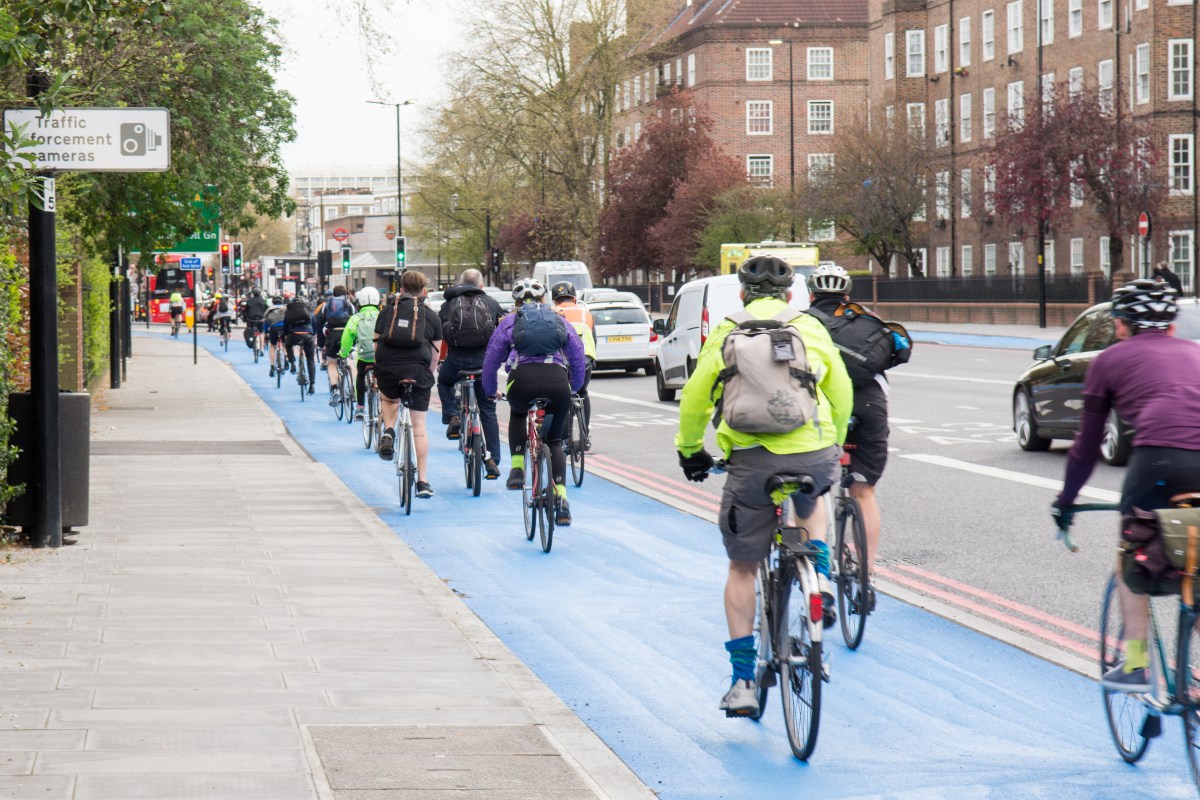
Research Impact: Understanding bikeability to shape healthier, more connected cities.

Across Australia, cities are looking for safer, easier ways to support cycling. ‘Bikeability’ describes how well an area supports cycling through its infrastructure, safety, environment and access to everyday destinations. But understanding what actually makes an area ‘bikeable’ is not straightforward. Until now, studies have used different definitions, indicators, and modelling approaches to explore bikeability, […]

Research Impact: Climate-related disaster risk in Australia: Are risks higher for disadvantaged households?

Australian cities are facing more frequent and severe heatwaves, bushfires and floods due to climate change. However, while some communities have the resources to adapt to these extreme weather events, not all bear the burden equally.   Households already experiencing disadvantage are often those most exposed to climate risks, and they have fewer financial buffers when […]

Showcasing innovation: AURIN Urban Data Futures initiative

The Urban Data Futures initiative is the cornerstone of AURIN’s commitment to innovation and cross-sector collaboration; it equips emerging researchers with the power to apply data-driven solutions for the urban challenges of Australia.  Empowering the next generation of researchers  The Urban Data Futures initiative at AURIN equips data science students with data literacy, skills and […]

AURIN launches Node with University of New South Wales

The Australian Urban Research
Infrastructure Network (AURIN) and The University of Queensland have launched
URBANIQ – the AURIN Node for Urban Intelligence for Healthy & Equitable Places.

URBANiQ brings together researchers across The University of Queensland with expertise in health, health inequities, urban planning, geography, transport, and social sciences.

URBANiQ will harness AURIN mobility, environmental, and health data to respond to policy-led challenges to understand how the places we live, work, and socialise can promote urban liveability, facilitate healthy behaviour, and promote equity and sustainability.

Research Impact: Measuring the Age-Friendliness of Australian Suburbs

Australians are ageing at an unprecedented rate. As people get older, frailty and increased use of health resources pose a significant challenge to already strained health services. It is vital to keep ageing populations healthy to not only reduce this dependence on services but also to promote their wellbeing, independence, and participation in society. This […]

AURIN at PIA Congress and Locate24

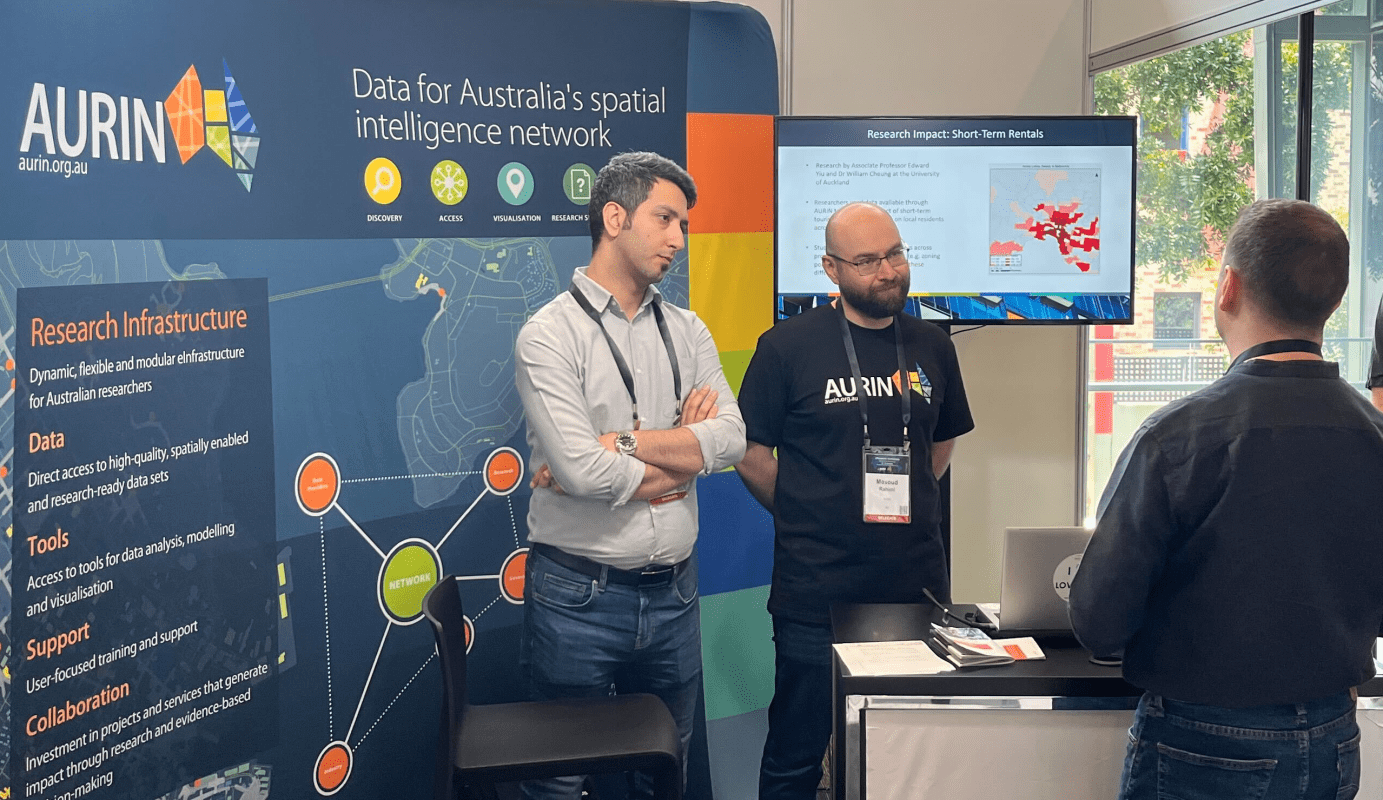
In May 2024 we’re excited to have members of our team attending two major industry events – the Geospatial Council of Australia’s Locate24 in Sydney and PIA’s Planning Congress in Melbourne. We’ll have an exhibition booth at both events, where you can meet experts from our team and learn more about how we can support […]

Map of the Month – Social Connection and “Bumping Spaces”

We’re so happy to be part of the Map of the Month initiative—a science communications project led by the University of Melbourne, in collaboration with AURIN, Melbourne Centre for Cities, Melbourne Data Analytics Platform, and Pursuit. The goal of the project is to use maps as a tool to initiate important policy discussion within Metropolitan […]

X