

The carbon emissions created by road-based transport are immense. Car and van transport account for 10% of global greenhouse gas emissions due to their use of fossil fuels. In Australia, which has some of the most car-dependent cities in the world, the carbon footprint of road-based transport is cause for concern. Over 20 million motor […]
Author Archives: Cordelia Rice
19
Mar
Mar
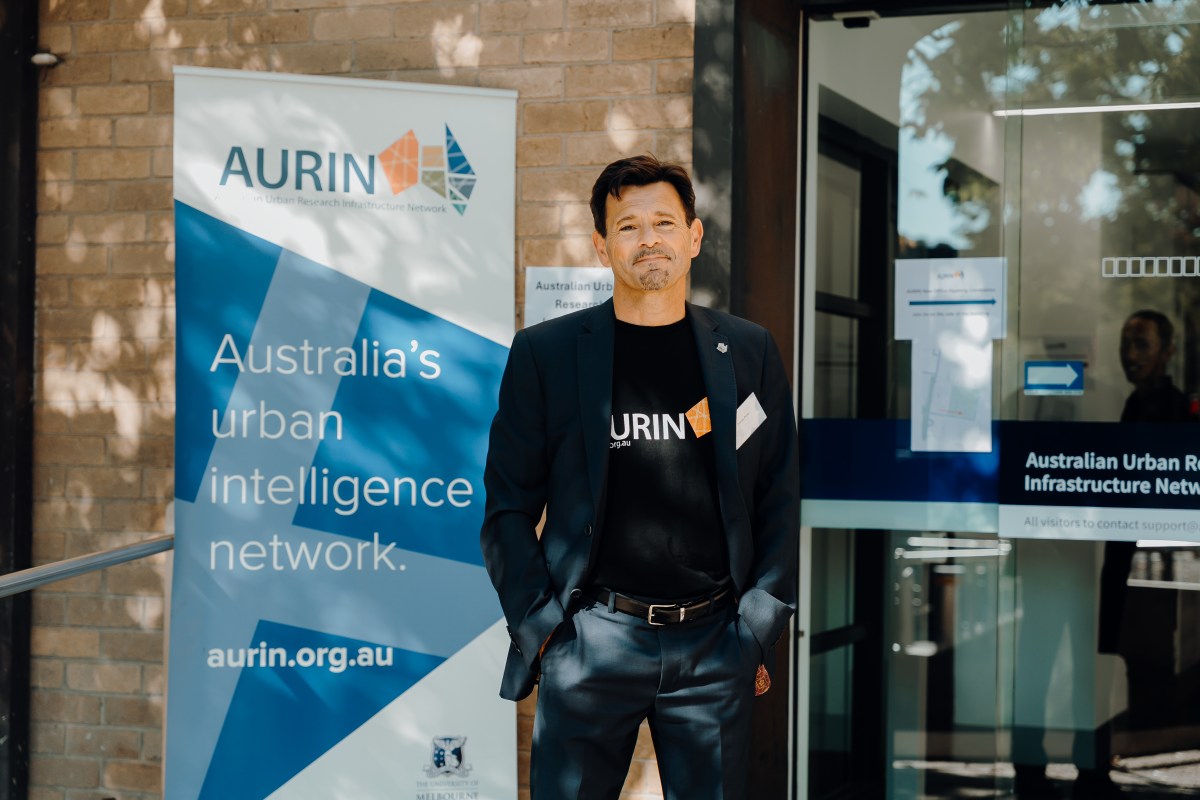
Last week we celebrated our the official launch of new AURIN HQ in the Baldwin-Spencer Building. The event, held on the north lawn outside the building, was a celebration of both our new workspace but also of the exciting future of AURIN. The event opened with a Welcome to Country and smoke ceremony, led by […]

18
Mar
Mar
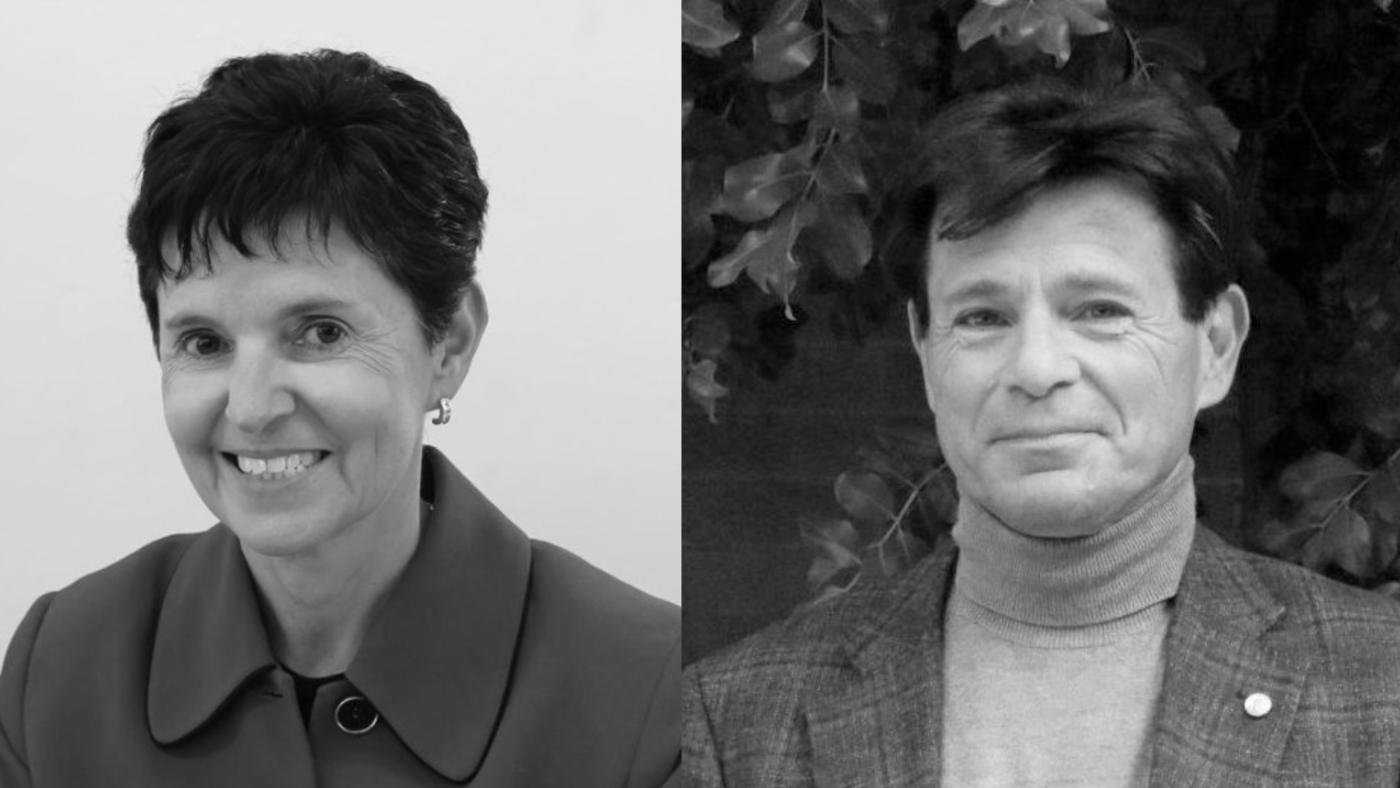
Following the resignations of Mr Gregory Tucker and Ms Alison Rose from AURIN’s Management Board, we would like to extend a warm welcome to new Board members, Dr Jodie Smith and Mr Peter Francis. Both Jodie and Peter bring a wealth of experience in leadership and, respectively, in science strategy and corporate governance. Jodie is currently […]
12
Mar
Mar
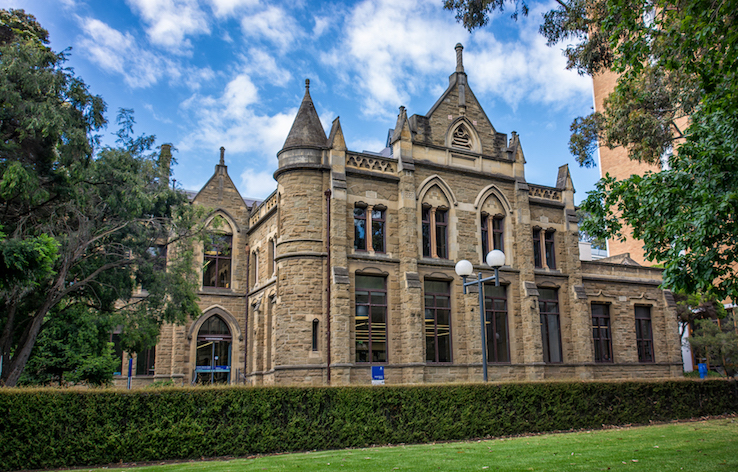
Another milestone for AURIN! After many happy years in the Thomas Cherry building we recently moved into a new state-of-the-art office space in the iconic Baldwin-Spencer building on the University of Melbourne Parkville campus. The University refurbished a ground floor area to accommodate our team, generously invested $3.2m to support our growing success. The space […]
06
Mar
Mar
Image: Professor Sharon Biermann (Director of PATREC) and Professor Pascal Perez (Director of AURIN) We are excited to announce our first AURIN Node, in partnership with the Planning and Transport Research Centre (PATREC) and located at the University of Western Australia (UWA). The AURIN WA Node is the product of our long-standing relationship with PATREC […]

25
Feb
Feb
For well over a decade Melbourne has been ranked as one of the most liveable cities in the world. For humans these rankings scores are based on the quality of life created by healthcare, infrastructure and the environment. But how would Melbourne be ranked when viewed from a dog’s perspective? The Map of the Month […]

12
Feb
Feb
More children and young people are accessing schooling than at any other point in history. This is largely due to the pursuit of Sustainable Development Goal 4 (SGD4), which aims to “ensure inclusive and equitable quality education and promote lifelong learning opportunities for all.” In tandem with the millennial development goals, this has contributed to […]

25
Nov
Nov
Road accidents are a major source of trauma worldwide. Over 1.3 million people are killed in road accidents annually, and collisions are a leading cause of death and injury across all age groups. Aside from the human cost of road accidents, there is a significant financial toll. The US Centre for Disease Control and Prevention […]

16
Oct
Oct
The journey to school is a vital part of a child’s physical, psychological, and social development. It offers children an opportunity to interact and emotionally engage with the world around them, building self-possession and independence. However, in Australia, the heavy reliance on cars to transport kids to and from school inhibits this, as well as […]

26
Sep
Sep
Australians are ageing at an unprecedented rate. As people get older, frailty and increased use of health resources pose a significant challenge to already strained health services. It is vital to keep ageing populations healthy to not only reduce this dependence on services but also to promote their wellbeing, independence, and participation in society. This […]