

For well over a decade Melbourne has been ranked as one of the most liveable cities in the world. For humans these rankings scores are based on the quality of life created by healthcare, infrastructure and the environment. But how would Melbourne be ranked when viewed from a dog’s perspective? The Map of the Month […]
Category Archives: Data

18
Dec
Dec
From October to December 2024, AURIN was cited in a variety of material, including four papers published in peer-reviewed journals and a book chapter. It was exciting to see that AURIN has been used by researchers across Australia and internationally to inform their analysis on cardiac health, regional vehicle emissions, and more. We’d like to […]
28
Oct
Oct
From July to September 2024, AURIN was cited in a wide variety of material, including nine papers published in peer-reviewed journals in addition to several masters theses and book chapters. It was exciting to see that datasets available through AURIN have been used by researchers across Australia and internationally to inform their analysis on electric […]
23
Oct
Oct
In October 2024 we’re excited to have members of our team attending the eResearch Australasia Conference in Melbourne. Tuesday 29 October, 11.50am‘Modernising Hackathons: Urban Innovation Data Hack 2024 – Hackathon as a service‘ During this session, part of the breakout ‘Reproducible science, Hackathons Containers’, AURIN’s Head of Marketing, Emma Joughin, will present alongside Quentin van […]
15
Jul
Jul
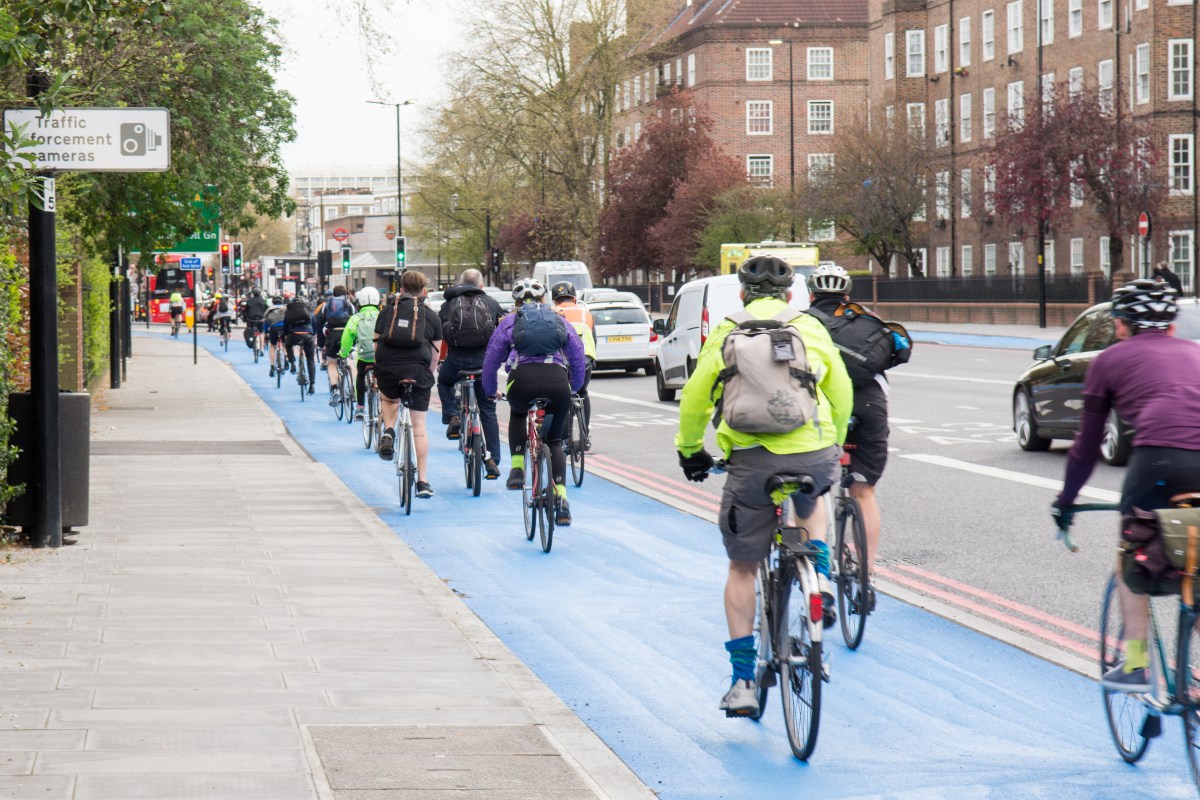
Years of investment in road infrastructure has changed cities, increasing air pollution, traffic congestion, segregation of urban spaces, and reducing the physical activity of the people living there. Reducing the reliance on cars and other motorised vehicles is key to addressing these issues. Bike riding is a sustainable and affordable alternative to driving, and cities […]
24
Jun
Jun
From April to June 2024, AURIN was cited in a wide variety of material, including in eight papers published in peer-reviewed journals and two theses submitted for PhD programs. AURIN and datasets available through AURIN were used by researchers across Australia and internationally to inform analysis on residential mobility, road accident mitigation, school travel and […]

23
Jun
Jun
While most of us are sleeping night-shift workers are keeping our cities running. They work as healthcare professionals, emergency responders, public transport operators, cleaners, hospitality staff. And they’re the ones making sure our hospitals function, our streets are safe and that our essential services are available. They also play in important role in making sure […]

11
Jun
Jun
The 20-minute neighbourhood is a concept that evolved from the idea of the 15-minute city. The idea is that almost anything you need to access on a day-to-day basis—work, shopping, education, childcare, health services, green spaces and entertainment—should be within a 20 minute walk or bike ride from your house. 20-minute neighbourhoods feature in many […]

03
Jun
Jun
Last month, AURIN and the Geospatial Council of Australia had the honour of presenting the Peter Woodgate Award to Glenn Cockerton. The Peter Woodgate Award was created in memory of Dr Peter Woodgate, who served as Chair of AURIN’s board as well as President of the Geospatial Council. It recognises an Australian-based individual or team […]
29
May
May
At a critical moment for housing policy and planning in Australia, UNSW on behalf of AURIN and Australian Research Data Commons has been awarded a two-year, $1 million grant by the office of the NSW Chief Scientist. This grant will allow for the development of the Housing Analytics Lab (HAL), a hybrid facility designed to […]