
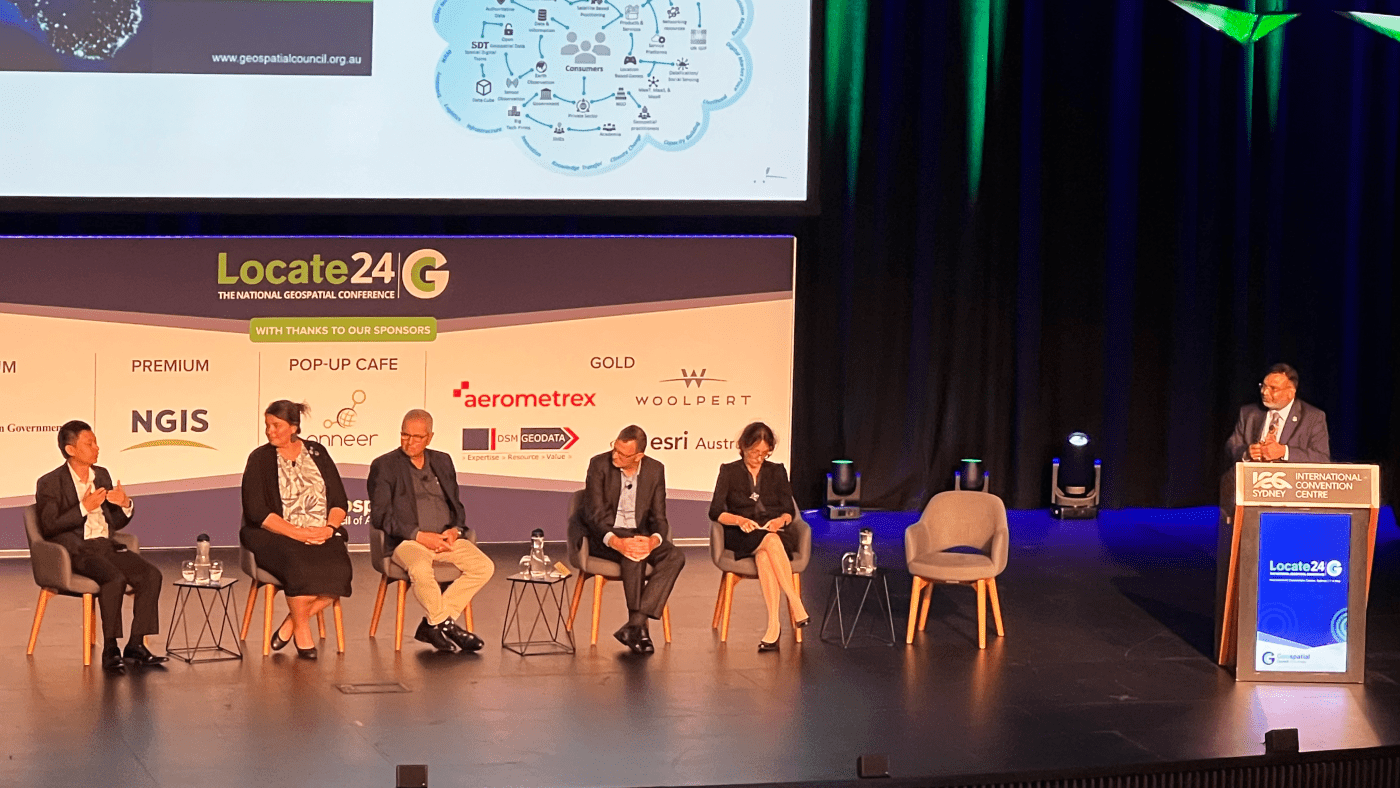
Last week Locate24 took place in Sydney, where it was great to have the chance to share knowledge across the geospatial sector in Australia. As part of the awards ceremony, AURIN had the honour of co-presenting this year’s Peter Woodgate Award, a prize created with the Geospatial Council of Australia in memory of Peter, a […]
Category Archives: Data

08
May
May
The latest Map of the Month, by project leaders Dr Thami Croeser (RMIT University) and Professor Michele Acuto (University of Melbourne), focuses on the impact of asphalt and concrete on urban heat islands, a phenomena which causes urban areas to be 4-10 degrees hotter than rural areas. With global temperatures continuing to rise, finding a […]

01
May
May
In May 2024 we’re excited to have members of our team attending two major industry events – the Geospatial Council of Australia’s Locate24 in Sydney and PIA’s Planning Congress in Melbourne. We’ll have an exhibition booth at both events, where you can meet experts from our team and learn more about how we can support […]

29
Apr
Apr
We’re so happy to announce our new Noise Mapping Datasets, developed in partnership with Ambient Maps and Geoscape Australia. Created by acoustic modelling experts, the datasets reimagine noise mapping in Australia—offering invaluable insights on the impact of noise on the urban environment. The datasets contain noise levels for each building throughout most of Australia. Noise values are generated […]
08
Apr
Apr
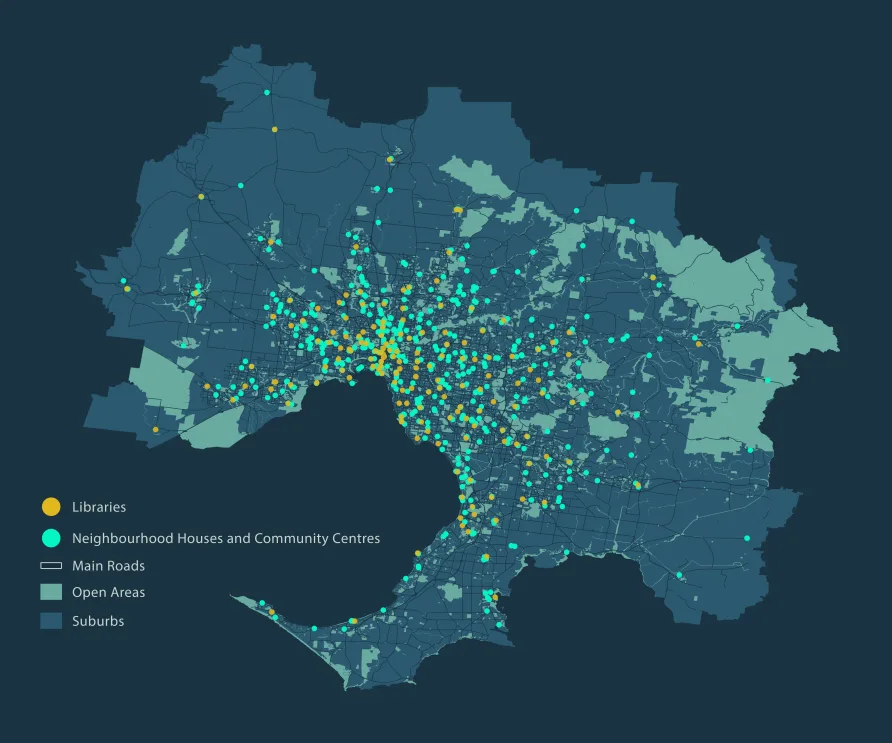
We’re so happy to be part of the Map of the Month initiative—a science communications project led by the University of Melbourne, in collaboration with AURIN, Melbourne Centre for Cities, Melbourne Data Analytics Platform, and Pursuit. The goal of the project is to use maps as a tool to initiate important policy discussion within Metropolitan […]

05
Apr
Apr
From January to March 2024 AURIN was cited in a variety of material, including in three papers published in peer-reviewed journals, one conference paper and one book chapter. Data accessed through AURIN was used by researchers across Australia and internationally to inform analysis on topics including transit-oriented development, the impacts of built environments on social […]
26
Mar
Mar
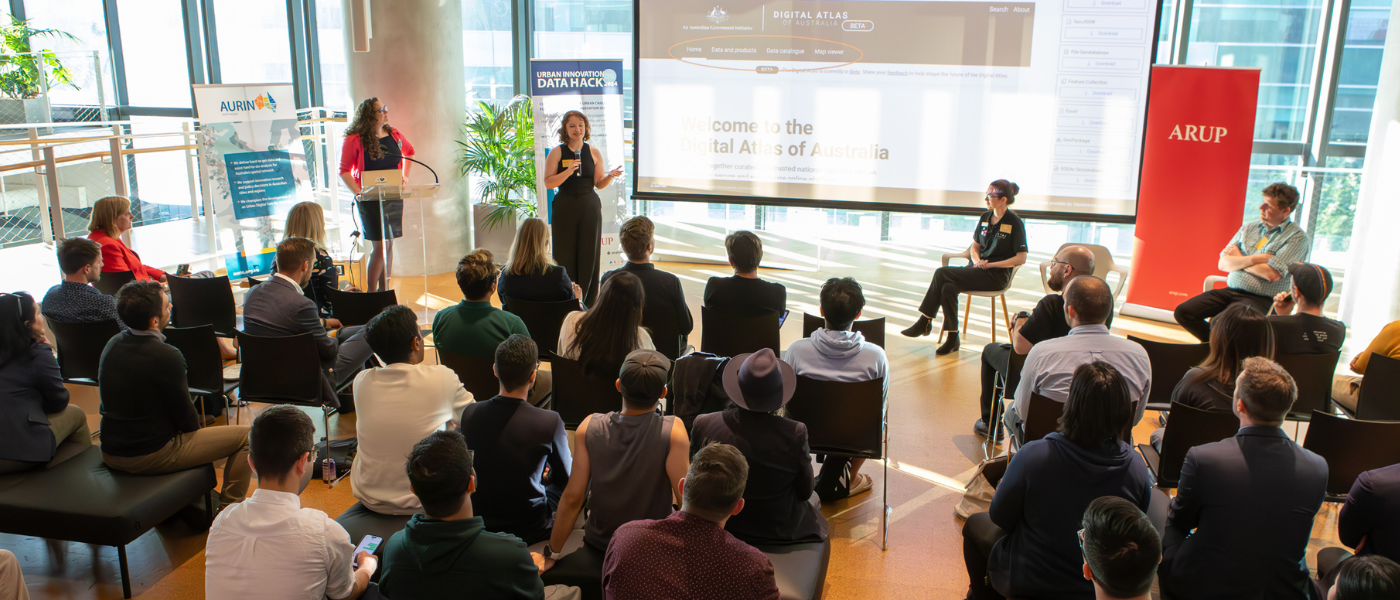
In partnership with Arup, we were thrilled to host the Urban Innovation Data Hack across 22 and 23 March 2024. The hack presented an opportunity for developers, planners and others to come together to solve problems, showcase data and harness opportunities for Melbourne Innovation Districts (MID). MID is a partnership between the City of Melbourne, […]
23
Jan
Jan
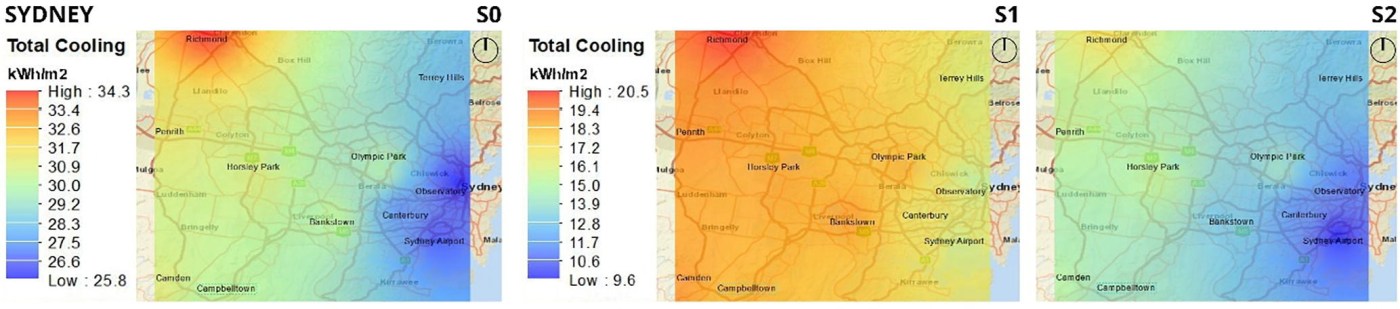
Urban heat islands are a significant environmental problem faced by cities worldwide. Higher urban temperatures can impact communities in a number of ways—increasing the concentration of air pollution, impairing water quality, increasing the demand for electricity, and causing heat-related morbidity and mortality. Urban overheating impacts low-income populations more since these populations often live in lower […]

23
Jan
Jan
Using cycling infrastructure data made available through AURIN, as well as data from Vicroads, the Victorian Government and the researchers’ own survey data, researchers at Monash University have conducted a study of the role of neighbourhood design in cycling activity during Melbourne’s Covid-19 lockdowns. Naseri, Delbosc and Kamruzzaman’s (2023) study, ‘The role of neighbourhood design […]

21
Dec
Dec
In celebration of the World Open Data movement, AURIN and ARUP are excited to partner on an Urban Innovation Data Hack across March 22 and 23, 2024. Focusing on the challenges and opportunities in Melbourne’s Innovation District, this event, held at ARUP’s Docklands HQ and online, will bring together a diverse group of participants, including […]