

If a picture tells a thousand words, a map can tell a million. AURIN is developing a series of interactive story telling maps – AURIN Data Tales – to highlight the data access and analytics capability we offer and provide real-world examples of urban challenges, presented in an engaging way to inspire further research and […]
Category Archives: Data
AURIN, AURIN Network, AusEnHealth, Blog, Built Environment and Infrastructure, Data, Environment, Government, Health, Latest News, News, Research Impact, Resources for Research, Sustainability, Urban Development
Research Impact: Improving spatial analysis for disease risk detection: A COVID-19 case study

23
Jan
Jan
During COVID-19, public health agencies relied heavily on data to understand where the virus was spreading and who was most at risk. While robust data have long underpinned decision-making, the pandemic reinforced that statistical factors – such as how data are grouped, how geographical boundaries are defined, and how granular the data are – can […]
AURIN, AURIN Network, Blog, Built Environment and Infrastructure, Data, Economics, Environment, Government, Housing, Industry, Land Use, Latest News, Research Impact, Resources for Research, Sustainability, Urban Development
Research Impact: AURIN data and infrastructure shaping a more sustainable urban future

17
Dec
Dec
Densifying the great Australian dream Owning a home is the great Australian dream. But as Australia’s population continues to grow, understanding how to plan and deliver housing is more important than ever. Urban planning therefore plays a critical role in government and industry decision-making, shaping where and how people live. Emeritus Professor Peter Newton […]
02
Dec
Dec
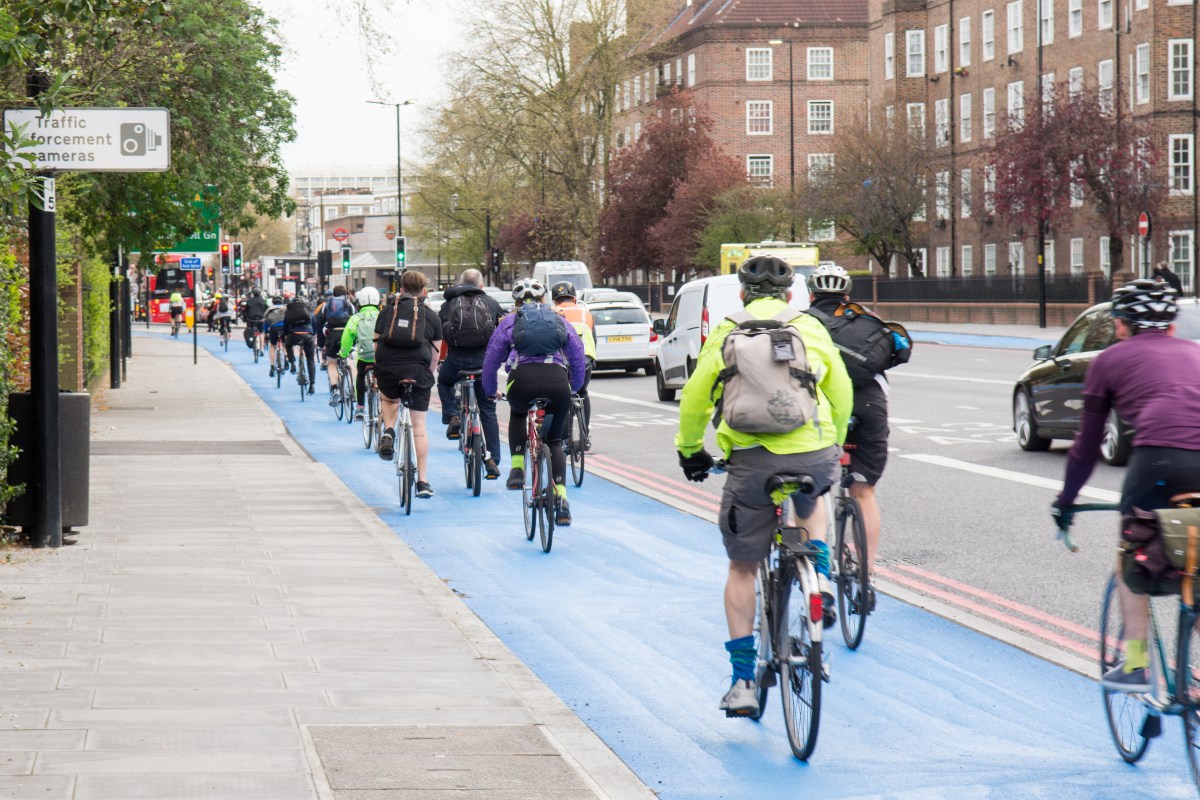
Across Australia, cities are looking for safer, easier ways to support cycling. ‘Bikeability’ describes how well an area supports cycling through its infrastructure, safety, environment and access to everyday destinations. But understanding what actually makes an area ‘bikeable’ is not straightforward. Until now, studies have used different definitions, indicators, and modelling approaches to explore bikeability, […]

26
Nov
Nov
Ever wanted to make a real difference in disaster recovery without leaving your desk or country? Join the Planning Insitute of Australia’s (PIA) Urban Data Network (Victoria) for a Missing Maps Map Party, where urban planners, data enthusiasts, and curious newcomers come together to put vulnerable communities on the map. WHERE: AURIN HQ, Melbourne […]

17
Oct
Oct
The 2025 eResearch Australasia Conference is coming up. We will be at the Brisbane Convention & Exhibition Centre, 20–24 October 2025. Organised by Australasian eResearch Organisations (AeRO) Inc, this conference is a major gathering for researchers, technologists, data specialists, infrastructure professionals, research software engineers, and others at the intersection of research and ICT. The program […]

10
Oct
Oct
AURIN will join Australia’s data community at the International Data Week 2025, taking place in Brisbane next week. Organised by the Committee on Data (CODATA) and the World Data System (WDS) of the International Science Council (ISC), and the Research Data Alliance (RDA) and hosted by The Australian Research Data Commons (ARDC), International Data […]

12
Sep
Sep
The Australian Urban Research
Infrastructure Network (AURIN) and The University of Queensland have launched
URBANIQ – the AURIN Node for Urban Intelligence for Healthy & Equitable Places.
URBANiQ brings together researchers across The University of Queensland with expertise in health, health inequities, urban planning, geography, transport, and social sciences.
URBANiQ will harness AURIN mobility, environmental, and health data to respond to policy-led challenges to understand how the places we live, work, and socialise can promote urban liveability, facilitate healthy behaviour, and promote equity and sustainability.

26
Jul
Jul
The Australian Urban Research
Infrastructure Network (AURIN) and The University of Queensland have launched
URBANIQ – the AURIN Node for Urban Intelligence for Healthy & Equitable Places.
URBANiQ brings together researchers across The University of Queensland with expertise in health, health inequities, urban planning, geography, transport, and social sciences.
URBANiQ will harness AURIN mobility, environmental, and health data to respond to policy-led challenges to understand how the places we live, work, and socialise can promote urban liveability, facilitate healthy behaviour, and promote equity and sustainability.

20
Jun
Jun
AURIN has launched Urban Data Futures, a new initiative supporting emerging data enthusiasts working at the intersection of data, infrastructure, and urban challenges. The year-long program connects Master of Data Science students from the University of Melbourne with AURIN’s enabling platform and technical advisors. The aim is to give students direct access to national digital […]