

The Australian Environmental Health (AusEnHealth) Strategic Planning Digital Twin has been awarded $1.9 million from the Medical Research Future Fund National Critical Research Infrastructure program. The funding will go towards updates of the platform’s infrastructure and its public release. It will support the development of new analytical capabilities to improve decision-making support and it will […]
Author Archives: Cordelia Rice

29
Jul
Jul
2023 was a milestone year at AURIN, marking the beginning of a new era of growth and innovation as we become more responsive to national priorities and identified research gaps. For our 2023-2028 Strategic Plan we developed our vision of delivering cutting-edge digital infrastructure that will be the bedrock for decision-makers to build a smarter, […]
15
Jul
Jul
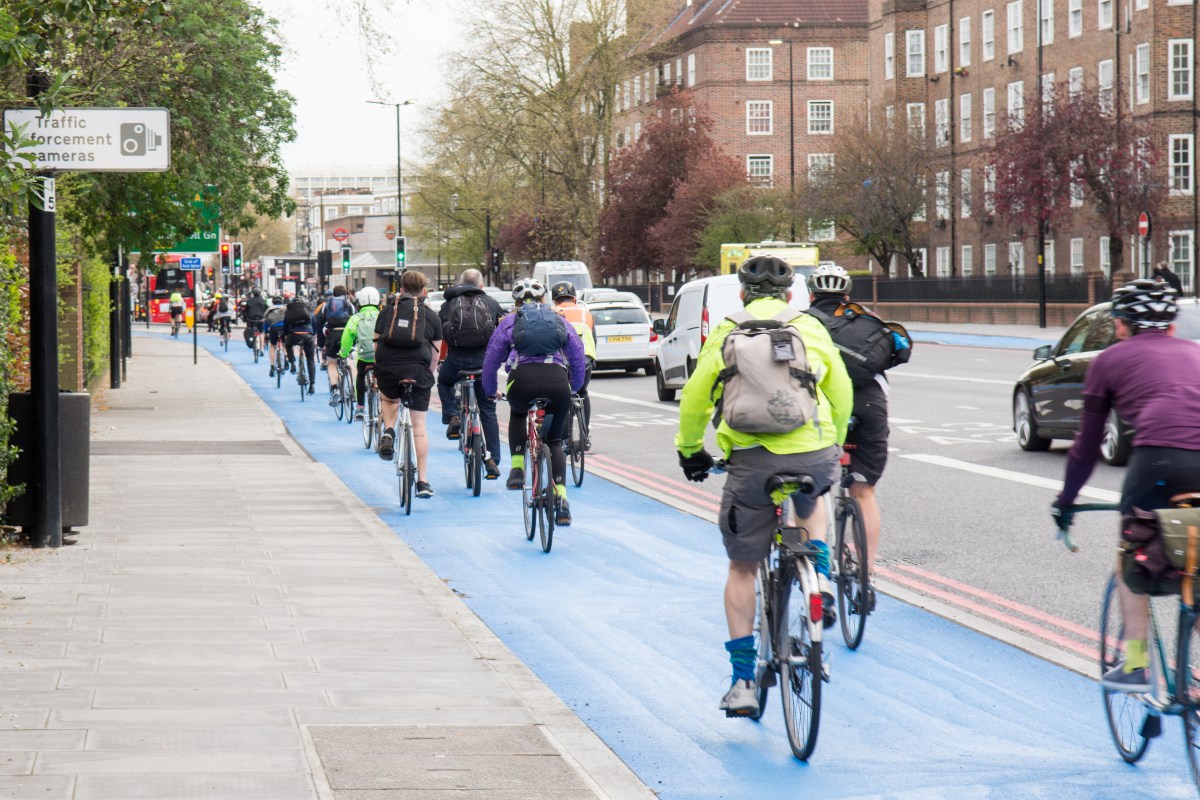
Years of investment in road infrastructure has changed cities, increasing air pollution, traffic congestion, segregation of urban spaces, and reducing the physical activity of the people living there. Reducing the reliance on cars and other motorised vehicles is key to addressing these issues. Bike riding is a sustainable and affordable alternative to driving, and cities […]

23
Jun
Jun
While most of us are sleeping night-shift workers are keeping our cities running. They work as healthcare professionals, emergency responders, public transport operators, cleaners, hospitality staff. And they’re the ones making sure our hospitals function, our streets are safe and that our essential services are available. They also play in important role in making sure […]

11
Jun
Jun
The 20-minute neighbourhood is a concept that evolved from the idea of the 15-minute city. The idea is that almost anything you need to access on a day-to-day basis—work, shopping, education, childcare, health services, green spaces and entertainment—should be within a 20 minute walk or bike ride from your house. 20-minute neighbourhoods feature in many […]

08
May
May
The latest Map of the Month, by project leaders Dr Thami Croeser (RMIT University) and Professor Michele Acuto (University of Melbourne), focuses on the impact of asphalt and concrete on urban heat islands, a phenomena which causes urban areas to be 4-10 degrees hotter than rural areas. With global temperatures continuing to rise, finding a […]

29
Apr
Apr
We’re so happy to announce our new Noise Mapping Datasets, developed in partnership with Ambient Maps and Geoscape Australia. Created by acoustic modelling experts, the datasets reimagine noise mapping in Australia—offering invaluable insights on the impact of noise on the urban environment. The datasets contain noise levels for each building throughout most of Australia. Noise values are generated […]
08
Apr
Apr
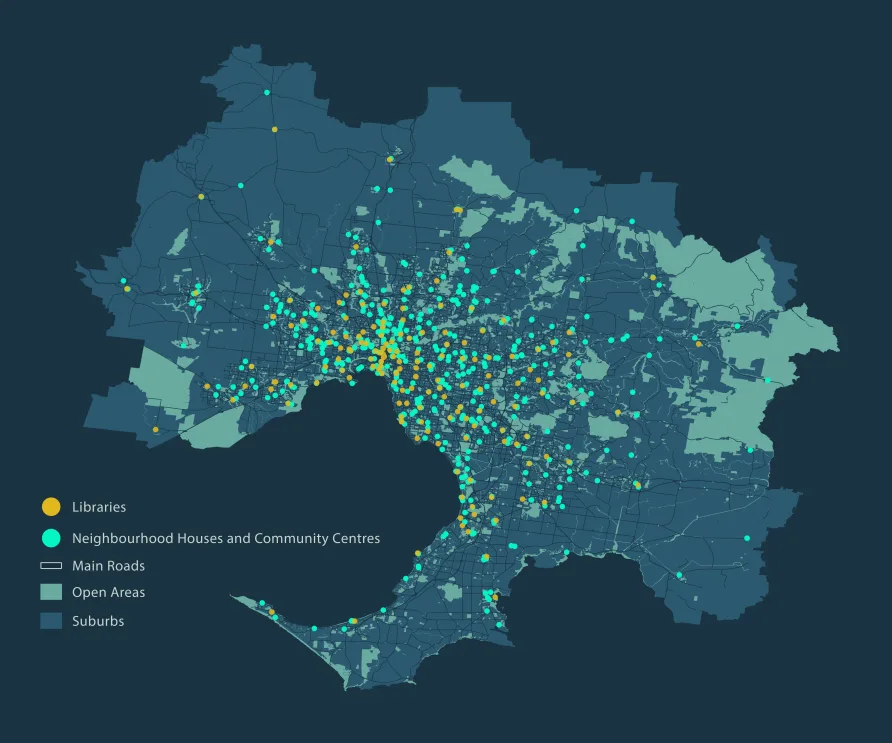
We’re so happy to be part of the Map of the Month initiative—a science communications project led by the University of Melbourne, in collaboration with AURIN, Melbourne Centre for Cities, Melbourne Data Analytics Platform, and Pursuit. The goal of the project is to use maps as a tool to initiate important policy discussion within Metropolitan […]

08
Apr
Apr
AURIN’s Scientific Advisory Committee, from left to right, top to bottom: Sharon Biermann, Shaun Copely, Lisa Bush, Chris Pettit, Marie Truelove, Matt Duckham, Isabel Ceron, Jonathan Corcoran We’re excited to announce the new members to AURIN’s Scientific Advisory Committee (SAC). The SAC brings together renowned experts across the urban and social science fields. The SAC […]
23
Jan
Jan
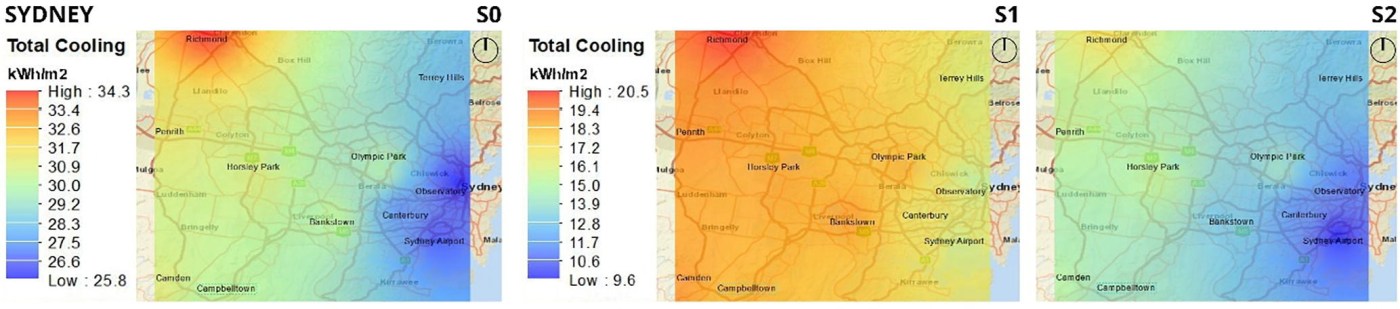
Urban heat islands are a significant environmental problem faced by cities worldwide. Higher urban temperatures can impact communities in a number of ways—increasing the concentration of air pollution, impairing water quality, increasing the demand for electricity, and causing heat-related morbidity and mortality. Urban overheating impacts low-income populations more since these populations often live in lower […]