

If a picture tells a thousand words, a map can tell a million. AURIN is developing a series of interactive story telling maps – AURIN Data Tales – to highlight the data access and analytics capability we offer and provide real-world examples of urban challenges, presented in an engaging way to inspire further research and […]
Category Archives: Transport
02
Dec
Dec
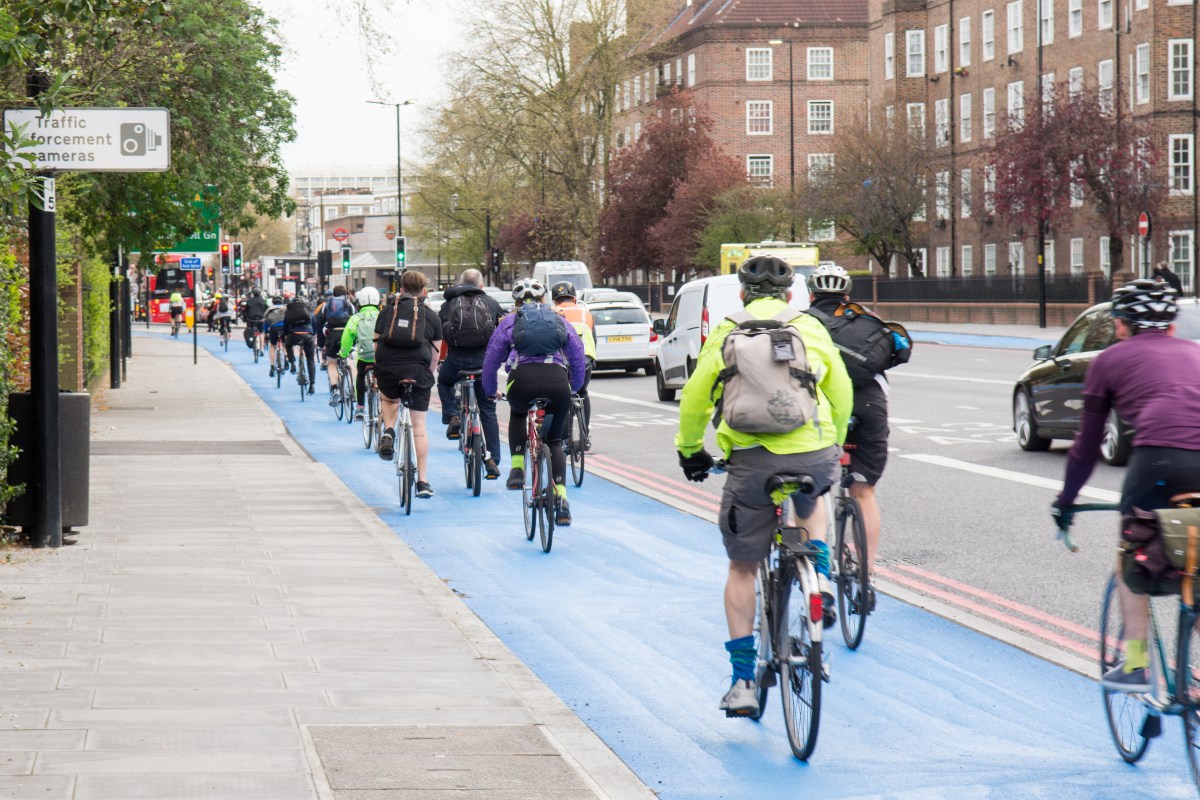
Across Australia, cities are looking for safer, easier ways to support cycling. ‘Bikeability’ describes how well an area supports cycling through its infrastructure, safety, environment and access to everyday destinations. But understanding what actually makes an area ‘bikeable’ is not straightforward. Until now, studies have used different definitions, indicators, and modelling approaches to explore bikeability, […]
26
Mar
Mar
The carbon emissions created by road-based transport are immense. Car and van transport account for 10% of global greenhouse gas emissions due to their use of fossil fuels. In Australia, which has some of the most car-dependent cities in the world, the carbon footprint of road-based transport is cause for concern. Over 20 million motor […]

25
Nov
Nov
Road accidents are a major source of trauma worldwide. Over 1.3 million people are killed in road accidents annually, and collisions are a leading cause of death and injury across all age groups. Aside from the human cost of road accidents, there is a significant financial toll. The US Centre for Disease Control and Prevention […]

16
Oct
Oct
The journey to school is a vital part of a child’s physical, psychological, and social development. It offers children an opportunity to interact and emotionally engage with the world around them, building self-possession and independence. However, in Australia, the heavy reliance on cars to transport kids to and from school inhibits this, as well as […]

29
Aug
Aug
Using data available through AURIN, as well as Westgate and EPA (Environment Protection Authority Victoria) monitor data, researchers from the University of Queensland and the University of Melbourne have raised concerns about the impact of emissions from truck traffic on childhood asthma rates in Melbourne’s Inner West. Clare Walter, Peter D Sly, Brian W Head, […]

23
Jun
Jun
While most of us are sleeping night-shift workers are keeping our cities running. They work as healthcare professionals, emergency responders, public transport operators, cleaners, hospitality staff. And they’re the ones making sure our hospitals function, our streets are safe and that our essential services are available. They also play in important role in making sure […]

29
Apr
Apr
We’re so happy to announce our new Noise Mapping Datasets, developed in partnership with Ambient Maps and Geoscape Australia. Created by acoustic modelling experts, the datasets reimagine noise mapping in Australia—offering invaluable insights on the impact of noise on the urban environment. The datasets contain noise levels for each building throughout most of Australia. Noise values are generated […]

23
Jan
Jan
Using cycling infrastructure data made available through AURIN, as well as data from Vicroads, the Victorian Government and the researchers’ own survey data, researchers at Monash University have conducted a study of the role of neighbourhood design in cycling activity during Melbourne’s Covid-19 lockdowns. Naseri, Delbosc and Kamruzzaman’s (2023) study, ‘The role of neighbourhood design […]

26
May
May
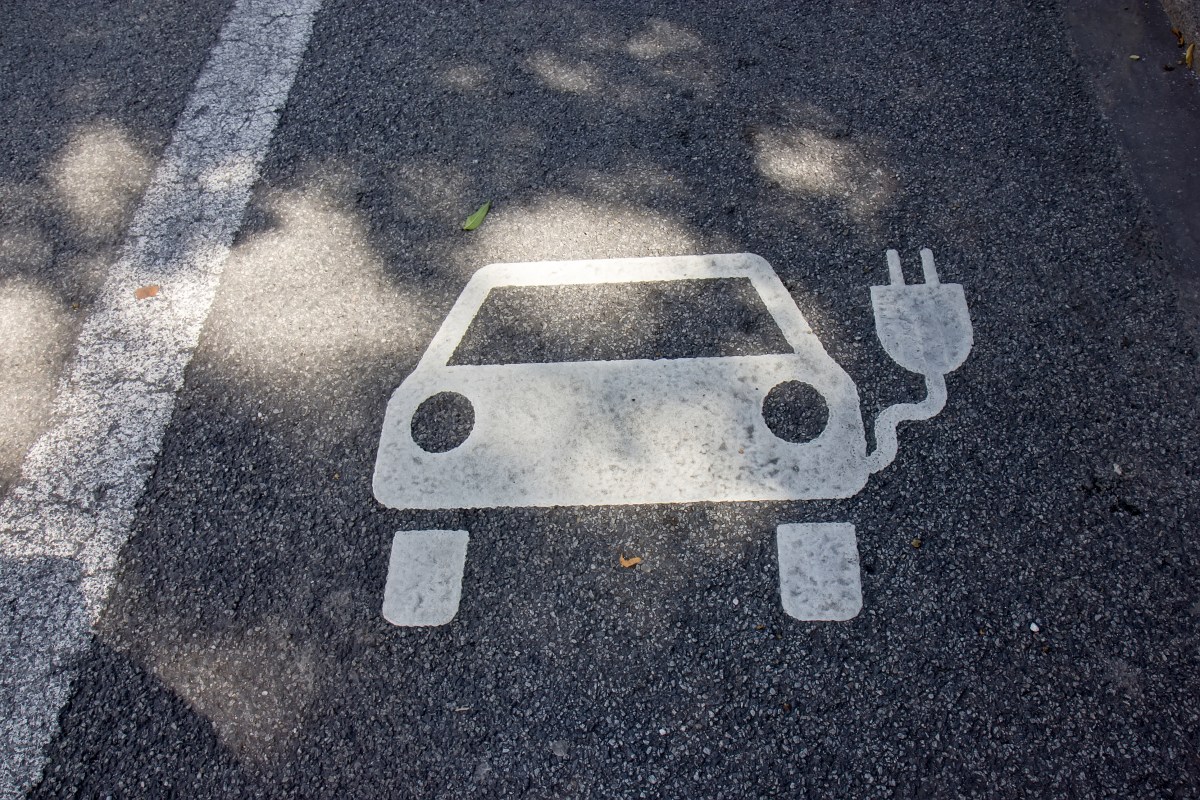
According to a 2021 report from the Climate Council, 75% of new car sales will need to be electric by 2030 for Australia to achieve net zero transport emissions by 2035. This imminent transition from combustion to electric vehicles (EV) will require a huge shift in the infrastructure across Australia. With all Australian states and […]
- 1
- 2