Real Estate & Property Data for Australian Researchers
Property Market Intelligence via AURIN


AURIN has engaged with Domain, one of Australia’s leading property platforms, to unlock access to rich property and real estate data for the research community. Through this arrangement, eligible researchers can access Domain’s APIs to retrieve data market activity, and suburb-level demographics — supporting a wide range of applied urban, housing, and socioeconomic research.
Use of Domain data through AURIN is limited to applied research (including academic publication) and the internal, non-commercial early-stage concept development.
Access is now available to eligible academics, researchers via AURIN Edge, and AURIN Research Nodes, subject to application and approval.
Data is accessed programmatically via the AURIN Data Provider platform, following application, approval, and signing of the end-user agreement. A monthly call limit applies, subject to your access tier.

Provides data on active residential property listings. This data is well-suited for research into listing activity, agency distribution, and market supply dynamics.
Provides access to address-level property data, aggregated sales results by area, and demographic information by state, suburb, and postcode, alongside suburb performance statistics. This data supports research into housing market trends, property value change, neighbourhood demographics, and spatial analysis of the built environment.
Domain data opens up a range of research possibilities across housing, urban planning, demography, and spatial economics. The following examples illustrate the kinds of questions researchers can explore using the Agents and Listings and the Properties and Locations.

Track changes in listing prices, rental asking rates, and days-on-market across suburbs and cities over time. Domain data can support research into housing cost pressures, affordability gaps between sales and rental markets, and the spatial distribution of housing stress across Australian urban areas.

Use listings and project data to examine where new residential and commercial development is concentrated, how supply is responding to demand in different markets, and how development activity correlates with planning policy, infrastructure investment, or population change.

Combine Domain’s suburb-level demographic data with sales results and listing activity to investigate how neighbourhood composition is shifting over time — who is moving where, how property turnover relates to demographic change, and what patterns emerge across postcode and suburb boundaries.
To support early exploration and feasibility assessment, Australian academic researchers can access sample Domain data layers covering the Sunshine Coast (QLD) for the year 2022.

Quarterly suburb-level market statistics for the Sunshine Coast. Includes sold prices with percentiles, sale volumes, days on market, vendor discount, auction results, rent listing prices and mean rent yield.
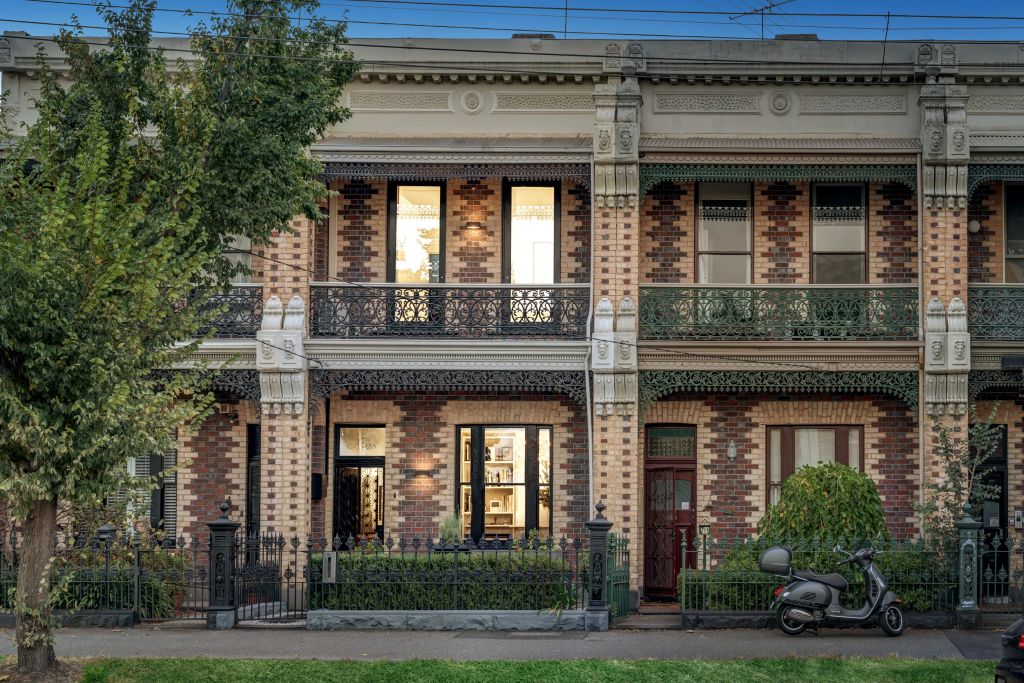
Individual residential sold listings across the Sunshine Coast. Includes property attributes, address and coordinates, sold price and date, sale method, and advertising agency
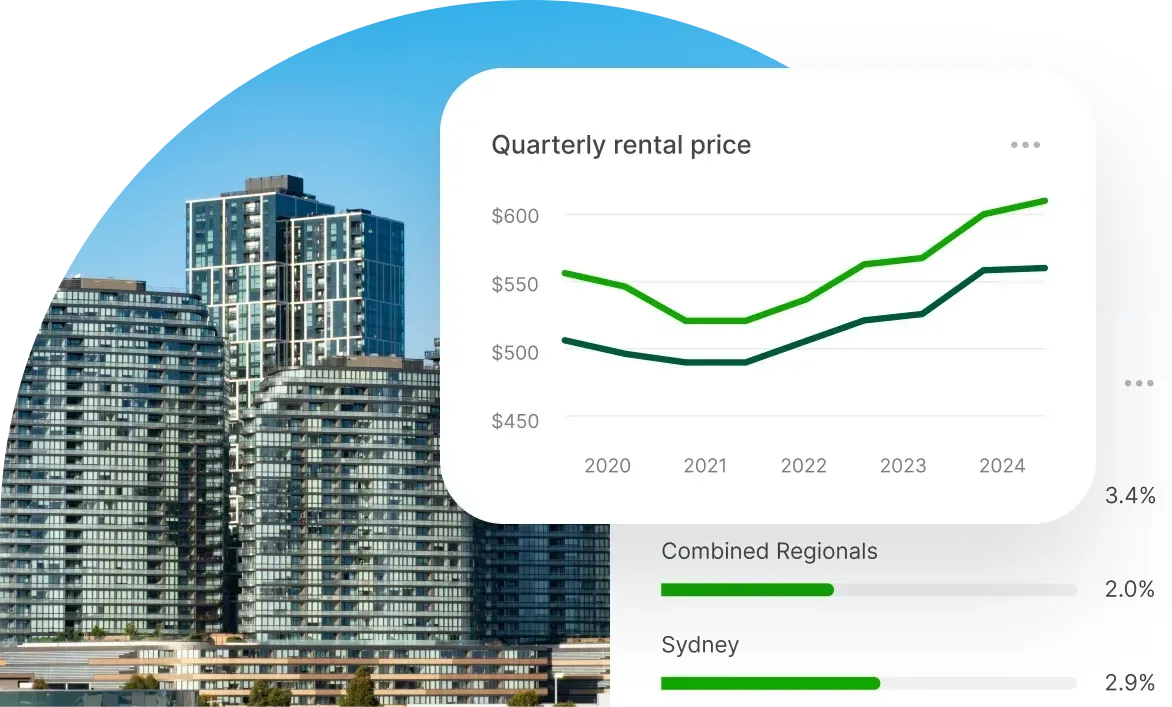
A snapshot of residential listing to rent across the Sunshine Coast, as of the capture date 2026-07-23. Includes, property attributes, address and coordinates, advertised weekly rent, and advertising agency.

Researchers combined geospatial flood mapping, socioeconomic data, and property market data to compare how wealthy coastal areas and less wealthy inland towns experienced the disaster.
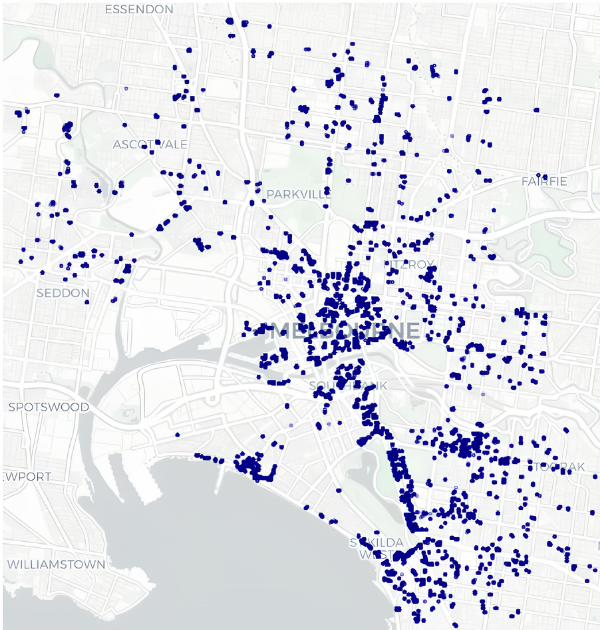
Researchers used Domain data to study the changes in property prices and rents in Melbourne. Using difference-in-difference (DID) method to examine trends in prices and rents from before and after the fires.

Researchers used Domain data to develop a novel measure called the Workforce Catchment Area (WFCA) to better assess how workforce distribution affects supply and demand issues for schooling services.
Contact us to learn more about accessing the Domain offerings.
